Tools to Thrive
Self-care isn’t selfish or a luxury, it’s a necessity. It’s essential in supporting and strengthening our mental health and well-being.
This page offers tools and resources to help you care for your mental health and thrive.
Mental health is health.
We all have mental health, and it deserves the same attention and care as our physical health.
It affects how we:
- Think
- Feel
- Cope with stress
- Navigate change
- Balance daily responsibilities
- Connect with others

What Shapes Our Mental Health?
Our mental health is shaped by who we are and the lived experiences we have. Culture, identity, beliefs and the communities we belong to all play a role in how we understand mental health, talk about it, seek support and find healing in ways that feel safe and helpful.
Learn more: Culture & Identity
Mental Health Varies as Life Changes
Our mental health isn’t a fixed state. It can range from good to poor and change over time or even day to day, influenced by our life experiences and circumstances, both within and beyond our control.
Emotions
Emotions are part of being human. One of the most powerful things you can do for your emotional well-being is to learn to identify and name what you’re feeling. Recognizing an emotion helps you understand it and respond more thoughtfully.
The 8 Basic Emotions
We all experience these core emotions:
😊
Joy
🤔
Curiosity/Interest
😲
Surprise
🤢
Disgust
😔
Shame/Guilt
😨
Fear
😠
Anger
😢
Sadness
Understanding Emotions
What Every Emotion Includes
- An event – Something happens that triggers an emotion.
- A thought – How you make sense of the event.
- Body changes – a physical reaction such as stomach discomfort, racing heart or a sense of calm.
- An urge to act – the emotion comes with an impulse to do something (run, laugh, yell)
- Expressions – Your face, voice or body shows how you feel.
- A behavior – How you choose to respond.
Remember: Emotions happen naturally, but how you respond is a choice.
Name It. Feel It. Then Choose.
Emotions don’t require an immediate action. One of the most important emotional skills is learning to:
- Notice the emotion.
- Name the emotion.
- Allow yourself to feel it.
- Choose how to respond.
The goal isn’t to ignore feelings. It’s to experience them without having to automatically act on them.
Why This Matters
For many people, it can be life-changing to discover that emotions don’t have to control your behavior. You can name and feel the emotion without needing to do something about it. The space between feeling and action is where choice, self-control and emotional growth begin.
Caring for Our Mental Health Matters
Sleep. Connection. Movement. Food. Nature.
These are all essential well-being practices and tools that help support and improve our mental health. When we invest in caring for our mental health, we build the capacity to manage stress, navigate life changes and show up better for ourselves and others.
Ways to get started
There’s no perfect place to begin, just start where you are. With daily practice, small actions can become a natural part of everyday life that help you manage stress, adapt to change, build resilience and thrive.
Sleep is essential. It does more for our health than many people realize. It helps us:
- Learn
- Remember
- Organize
- Store memories
- Release what we no longer need
- Resets our emotions
- Regulates our mood and emotional responses
Being sleep‑deprived affects our thinking, can make us more reactive, less patient, more prone to stress and burnout.
It varies for everyone, but for most adults the range is 6 and 10 hours.
Give this a try: Improve sleep by creating a calm bedtime routine, keep the room cool and dark and wake up at a consistent time.
A consistent wake‑up time matters more than your bedtime.
Humans are wired for connection. Positive interactions with others support our well-being by creating a sense of safety and belonging, regulating our emotions, reducing loneliness and reminding us that we’re not alone.
Give this a try:
- Call a friend
- Share a meal
- Give a hug
- Share a laugh
- Talk face‑to‑face
- Check-in on a loved one
- Help a neighbor
Move your body in a low-pressure way. Think movement, not exercise. Consistency over intensity. Any movement can help you feel connected to your body in a positive way. It improves mood, focus and reduces stress.
Give this a try: Walk, take the stairs, stretch, bike, dance, any movement that feels good to you.
Nourishing our body with food and water throughout the day can have positive effects on our energy, concentration and mood.
Give this a try: Make one intentional choice each day to help sustain your energy, such as plan a meal instead of grazing, grab an extra fruit or vegetable, carry a water bottle as a reminder to drink, boost your snacks by adding a protein or whole grain.
Nourishing our body with food and water throughout the day can have positive effects on our energy, concentration and mood.
Give this a try: Make one intentional choice each day to help sustain your energy, such as plan a meal instead of grazing, grab an extra fruit or vegetable, carry a water bottle as a reminder to drink, boost your snacks by adding a protein or whole grain.
“In-the-Moment” Support
Feeling overwhelmed, nervous or stressed?
When you need a moment to pause and reset, these mindfulness practices can help calm your mind, refocus and support your well-being.

Can’t sleep? Mind Racing?
- Choose a song, poem or prayer you know well, like Twinkle, Twinkle, Little Star.
- Say each word 5 times before moving to the next.
Example:
- Twinkle, Twinkle, Twinkle, Twinkle, Twinkle
- Little, Little, Little, Little, Little
- Continue with each word until you fall asleep.
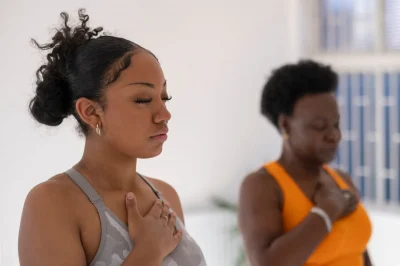
Deep Breathing
Try this: Extended breathing calms the body and mind by making the exhales longer than inhales.
To begin:
- Breathe in through your nose for a count of 3
- Exhale slowly through your mouth for a count of 6
- Repeat 3-4 times
Why this works: Longer exhales help slow your breathing and heart rate and quiets racing thoughts.

Move your body
Feeling stressed? Can’t focus?
Try this: Move your body, even for a minute. Any movement helps.
- Take a quick walk
- Stretch
- Dance
- Walk the stairs
- Shake out your hands, legs, or whole body
Why this works: Moving your body is one of the most effective ways to reduce stress and improve your mood, energy and focus.

Ground Yourself
Feeling anxious, worried or stressed?
Try this: Start by sitting comfortably and taking a slow breath in and out. Then notice:
- 5 things you can see
- 4 things you can touch
- 3 things you can hear
- 2 things you can smell
- 1 thing you can taste
Why this works: Focusing on your senses helps shift your attention away from stressful or racing thoughts and back to the present moment, which can calm your mind and help you relax.
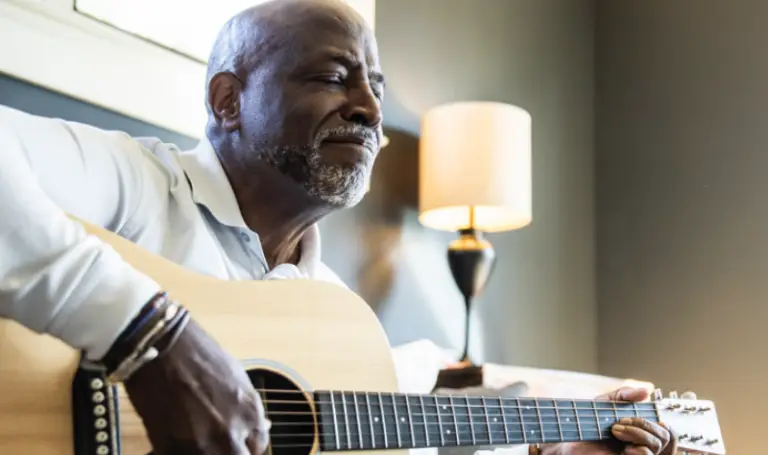
Creative Expression
When you need to shift your focus away from negative emotions or a moment to relax.
Try this:
- Color
- Draw
- Paint
- Write
- Read
- Listen to music
- Sing
- Dance
- Play an instrument or a game
Why this works: Doing something creative can help calm your mind, improve your mood, and help you express your thoughts and feelings in a positive way.
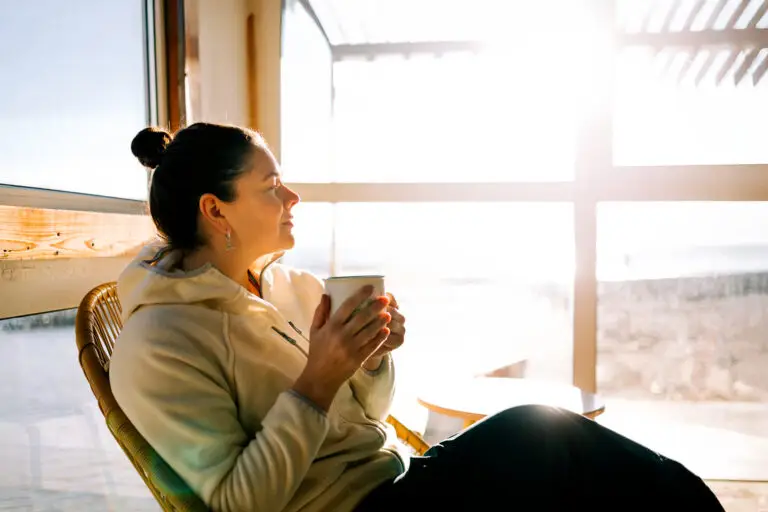
Practice Gratitude
Gratitude doesn’t erase stress, but it helps us notice the good that exists alongside it.
Try this: Pause, reflect and ask yourself:
Why this works: Gratitude helps the brain shift attention toward the positive, offering a sense of hope and making it easier to navigate challenging moments.
Let’s Start the Conversation. Learn What to Say.
Learn what to say:
To Adults

What to Say Tip Card
Tip card on what to say to Make It OK.
To Teens

What to Say to Teens Tip Card
Talking tips from teens to adults to Make It OK.
Need More Support?
Self-care and mindfulness tools can help support well-being, but sometimes additional care for our mental health is needed. If you or someone you know needs extra support, visit Crisis and Support Resources.
Resources to explore well-being
Read
- Mental Health Learning Hub Explore resources around mental health by Mental Health America
- Mental Health Blog by HealthPartners on a variety of topics on mental health and well-being
- Culture Care Connection – understanding the role culture plays in mental health and overall health
American Indian | Black & African American | Hmong | Latinx | Somali | LGBTQIA+ | Rural | Deaf & Hard of Hearing - Tools for Building Resilience: WellSpring Project by Living Healthy Washington County
- From Loneliness to Social Connection: World Health Organization report on social connection
- Nature and Mental Health – MN Dept. of Health: How nature supports well-being
- NLBHA (National Latino Behavioral Health Association): Promoting mental health and well-being in the Latino community
- Somali Mental Health Awareness (SMHA) | Breaking Stigma, Building Hope: Support and resources to help individuals and families thrive.
- Isuroon – Strong Women Strong Community: Promoting the wellbeing and empowerment of Somali women
- The 40-Day Project: Postpartum support promoting mental wellbeing and social support for parents during the first 40 days after birth
- Face It: Helping men see they’re not alone in their struggle and one of the bravest things they can do is ask for help
- New Parent Resources | Little Moments Count: helping parents and families learn about how everyday activities can grow their child’s brain. Available in: English, Spanish, Somali, Hmong
- NAZ early childhood resources | Littlemomentscount: early childhood family resource guide. Support during each stage of development
- family resources | Little Moments Count: tools, services, advocacy for mothers, fathers, grandparents, caregivers and extended families
- Help Me Connect: Resource portal for expecting and parenting families with young children and those working with them
Watch
- NAMI Minnesota: Multilingual Mental Health Resources
English | Somali | Spanish | Hmong - Let’s Talk: Mental Wellness and Race
- Grief & Loss Support: St. Croix Valley Grief Coalition Growing through Loss
- This is What Recovery Looks Like: Overcoming Barriers and Reducing Stigma
- Webinar: Trauma, Regulation, and Empowerment during Turbulent Times University of MN Bakken Center for Spirituality and Healing
- Little Moments Count – Minnesota – YouTube – find information and resources on early child brain development and parent support resources
Listen

In the Open Podcast by Mental Health America. Open conversations about mental health and changing the way our communities talk about mental health

Hope Starts with Us– by NAMI. Important mental health topics, one conversation at a time

Happier Together- Podcast: Important mental health conversations within the Hmong community

“What’s the Point” Podcast – The Face It Foundation: Real men, sharing real stories of struggles with mental health and life challenges

La Raza | KMNV | 94.7FM & 1400 AM – YouTube by Little Moments Count – Minnesota: Information on early child brain development and parent resources, including mental health and well-being
Off the Chart Podcast – Featured Episodes:
Act
- Findhelp.org helps you find community resources near you for food pantries, meal programs, housing, financial assistance, health care and more
- 31 Tips to boost your mental health by Mental Health America
- You Do Matter Minnesota : Tools to support mental health and well-being
- End Mental Health Stigma and Support Well-being : Attend a Make It OK virtual event (free and open to all)
- NAMI Support Groups (online and in-person)
- Support Groups | NAMI [English]
- Los Grupos De Apoyo | NAMI [Spanish]
- All NAMI Minnesota Support Groups
- Share your story! Stories reduce stigma, build understanding and remind us that we’re not alone
- Call 211 (United Way): Need help with food, housing or any basic needs? 211 is one call away
Need Help Now?
Call or text 988 or chat 988lifeline.org
Help is available 24/7.
If you or someone you care about is in crisis, please seek help immediately.