Mental Health and Stigma: How Community, Culture and Identity Shape Our Experience
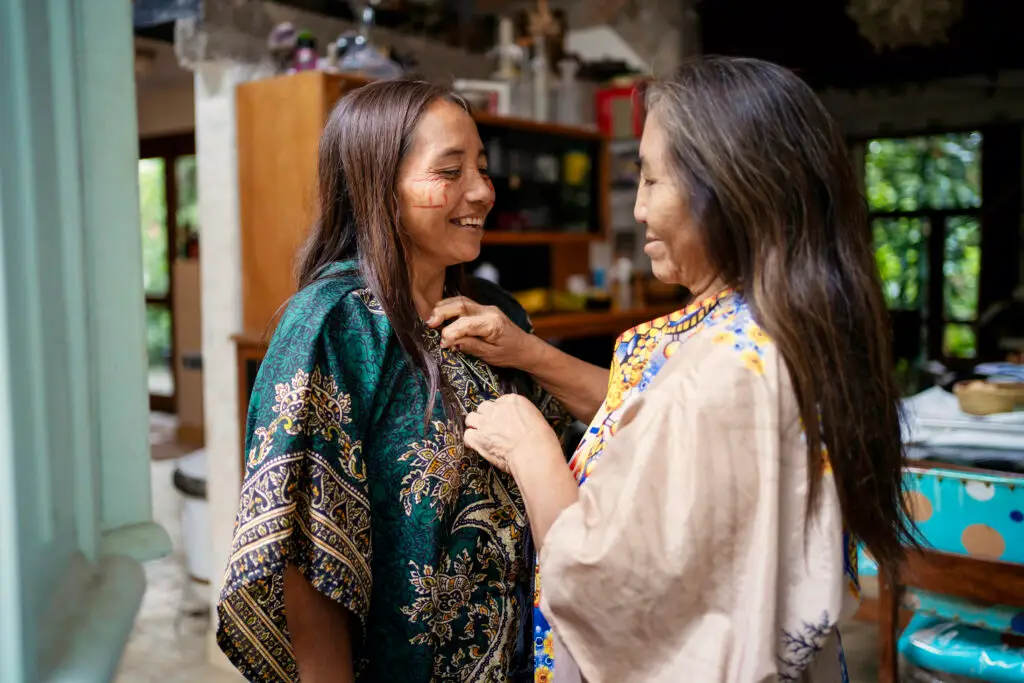
The communities we belong to help shape our mental health and how we experience stigma.
Our identity, including our culture, gender, language, religion, and spirituality, shapes our beliefs, values, traditions, and how we see ourselves and how others see us. It influences our sense of safety, belonging and well-being.
When our identity is accepted and celebrated, it can support our mental health. When it’s judged or misunderstood, it can lead to silence, stress, isolation and a reluctance to seek care.
For many, faith and spirituality are key parts of identity and healing. They offer comfort, purpose and connection, but stigma or myths within some faith communities can make it harder to speak up or seek support.
Some communities and cultures carry deep histories of trauma and continue to face barriers to talking about mental health, asking for help or getting the care they need and deserve.
Yet culture, community and spiritual practices can also be powerful sources of strength — reminding us of who we are, and helping us feel seen, heard and supported. When we reach out for help, we begin to heal ourselves and our communities.
Cultural barriers
Beliefs and representations of mental health
In many communities, mental health conditions may be seen as a personal weakness or something you just don’t talk about. This can lead to feelings of shame or worry about how others might see you if they are spoken about. Representations are often guided by formal (family and friends) and informal (educators and health care providers) sources. For many, it can be very challenging to discuss mental health because of the mistrust and stigma surrounding it, and in some communities, there are simply no words or language to talk about it.
Lack of access to care and culturally aware mental health professionals who understand the culture, beliefs, values and language.
When a person is experiencing challenges with their mental health, having access to and receiving quality care as soon as possible is important. Equally important is that the care provided is by professionals who understand a person’s identity and the role that cultural differences play.
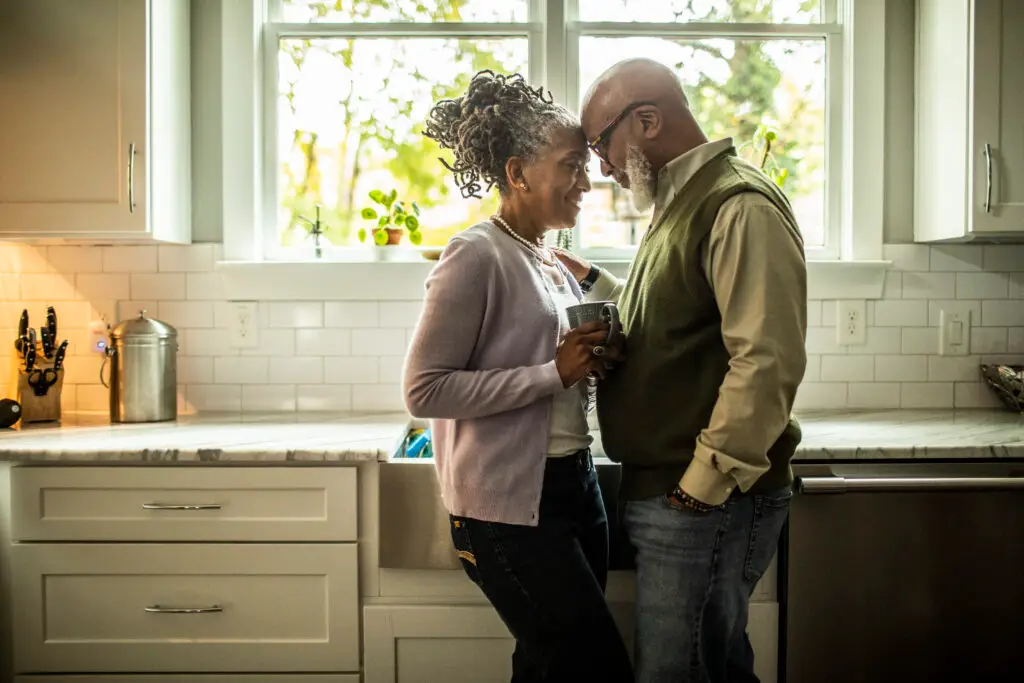
Community connection & support
The power of community
Community is the anchor connecting people and reducing isolation. It’s also what brings forth social changes, understanding, compassion, hope and strength. Throughout history many communities have created support systems to help with the healing and recovery of mental health through cultural and community practices centered around connecting with others, cultural traditions, prayer, spiritual practices, language, stories, food, art, dance and more.
How you can help end mental health stigma in your community
Spread awareness
-
- Increasing understandingIdentity and Cultural Dimensions | National Alliance on Mental Illness (NAMI)
- Launch a Make It OK campaign in your community. Learn more
- Celebrating Black, Indigenous, and People of Color Mental Health Month. Learn more
Learn What to Say
- Learn what to say to help start the conversation
- Practice what to say
- NAMI Minnesota
Watch:
Listen:
Amplify your voice:
-
- It’s a powerful way to increase compassion, understanding, connection and acceptance. Combat myths with facts. Find strength and hope in stories of real people with lived experiences and share your story
Create safe spaces:
-
- Where individuals can openly talk about their mental health without fear of stigma